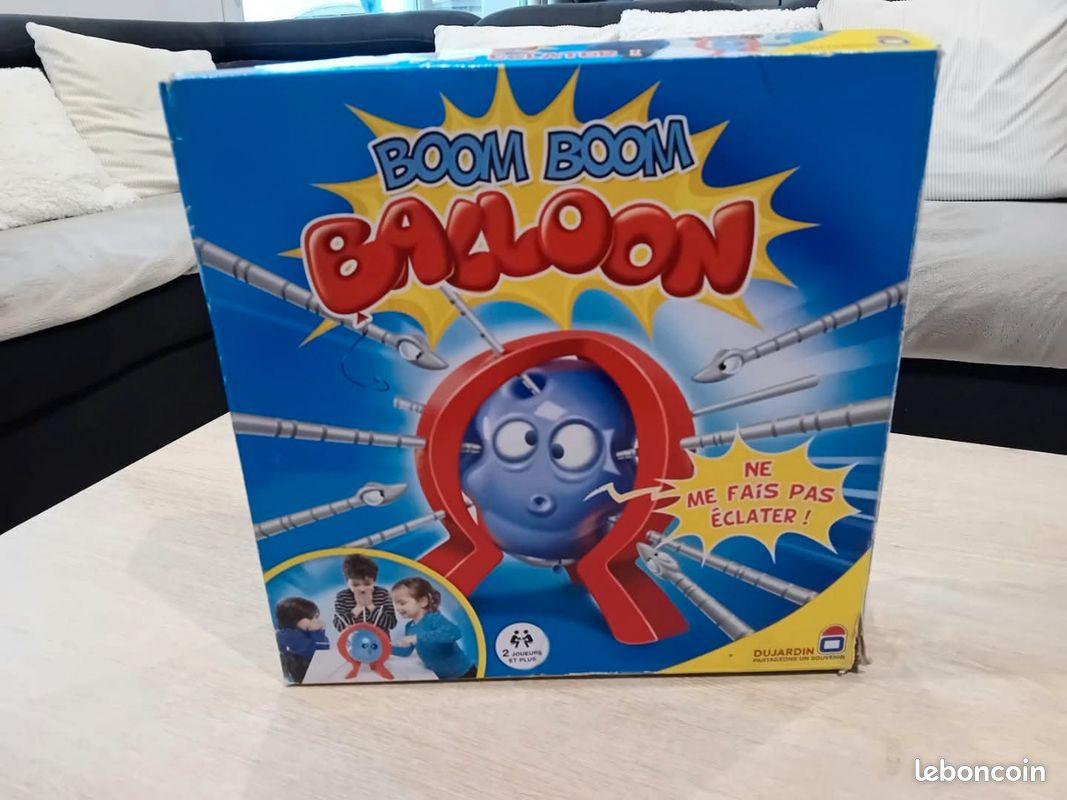
Modern family life is complicated https://balloonboom.uk/. The methods we seek help have changed, stretching well past the traditional therapist’s couch. I’ve been observing how leisure and technology intersect with our social lives, and I noticed something interesting. Occasionally, a basic leisure activity can act as a remarkable metaphor for how we connect. Consider the ‘Balloon Boom’ slot game. At first glance, this is simply a digital pastime. But examine it more closely, and you’ll notice its workings—teamwork, shared excitement, and collective rewards—echo the basic ideas behind effective family counselling. Families throughout the UK are dealing with complicated relationships, and they often seek out new ways to engage. A slot game won’t replace a trained therapist, obviously. However the collective language and experience it builds can provide us with a new way to think about family. It shows the benefit of interacting together, having common goals, and celebrating each other’s small victories.
Understanding the Analogy: Slot Mechanisms and Family Dynamics
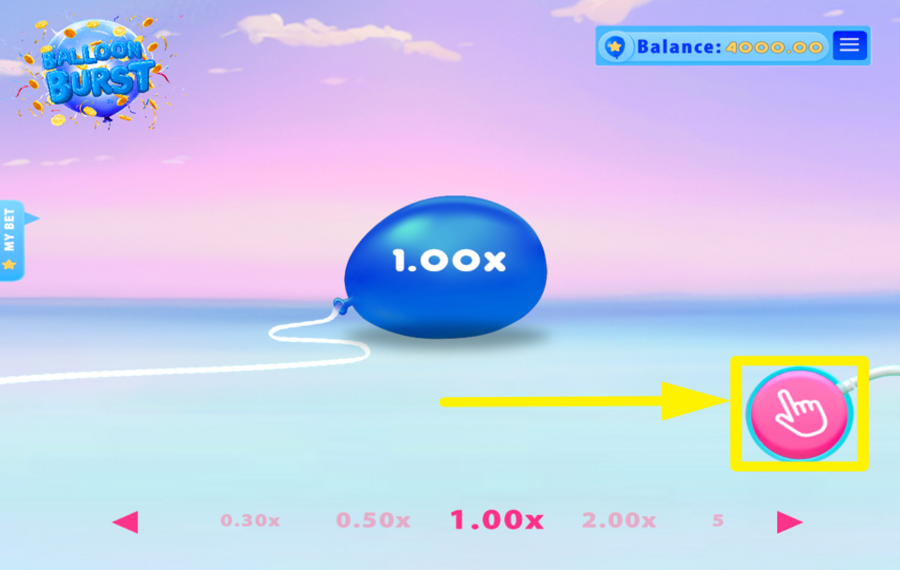
To get the metaphor, you must understand how a cooperative slot like Balloon Boom operates. It’s not a single-player activity. This kind of game has group features where players labor toward a mutual target, like pumping up a single balloon to trigger a bonus. That feature is a powerful picture of how a family operates. Every member’s action—their own ‘spin’—contributes to the collective effort. If no one contributes, the goal stagnates. If everyone operates chaotically without coordination, the balloon might burst too early for little reward. The tie to family counselling is evident. In therapy, a counsellor leads a family to name shared goals (the jackpot), recognize each person’s role in the system (their unique spin), and understand to contribute in a coordinated way for a positive result. The slot’s natural rhythm, with its lulls and unexpected bursts of action, echoes the typical flow of family life. It instills patience and the need to continue.
Dialogue: The Lines of Understanding
In a slot machine, paylines are the crucial paths to a win. For families, open communication works the same way. These pathways are the crucial paylines. When they get clogged with grudges, uncertainty, or poor listening, individual effort never produces a favorable outcome. Balloon Boom offers visible and audio feedback for team actions. This functions as a fundamental model for positive reinforcement at home. A cheerful sound for a collective contribution isn’t so dissimilar from the positive words a therapist shows families to use. It redirects attention away from faulting one person and toward what you accomplished together, strengthening the behavior that benefits the whole unit.
Danger and Reward in a Family Framework
The risk-reward arrangement of a game also reflects family choices. Families are constantly weighing emotional risks: the risk of being vulnerable, of starting a tough talk, of modifying old habits. The likely reward is a stronger, more resilient bond. In both scenarios, managing what you expect is vital. Chasing a never-ending ‘bonus round’ of high drama isn’t practical. A healthy family, like a prudent approach to gaming, discovers worth in the base game—the consistent, daily interactions that establish security and trust bit by bit.
Practical Steps: From Virtual Fun to Improved Conversation
How can families use the appealing structure of a common task to initiate better bonds? The objective is to purposefully move the teamwork felt during play into everyday talk. Kick off by picking a low-stakes, cooperative task—this could be a game, a jigsaw puzzle, or a craft project. The guidelines are straightforward: concentrate on the joint aim, use constructive praise, and subsequently, talk not about the score but about how you worked as a group. Pose questions the experience inspires: «What was our top collaborative effort today?» or «How could we collaborate more efficiently next time?» This language comes from team-building. It’s non-hostile and focuses ahead. It guides conversation away from individual blame and toward improving the dynamic. Book these ‘connection sessions’ in the planner as frequently as a therapy session, and protect that time from distractions. The activity becomes the neutral zone, similar to the counsellor’s room, where new approaches to relating can be practiced safely.
- Establish a Consistent ‘Game Session’: Set aside 30 minutes each week for a collaborative task with a clear, shared goal. Make it a phone-free zone.
- Practice Descriptive Communication: Focus on the process, not the person. Attempt «We’re nearly there as a team!» rather than «You messed that up.»
- Hold a After-Action Review: Take five minutes to discuss what worked well about working together and one tiny adjustment for next time. Ensure it is short and upbeat.
- Extend the Analogy: Carefully link the experience to real life. «We discussed it well to solve that puzzle; maybe we could use a comparable discussion to plan the weekly shopping.»
Key Concepts of Family Counselling Echoed in Play
Professional family counselling in the UK is based on several proven principles. It’s remarkable how many of these manifest, in an indirect way, in the workings of a collaborative, goal-based game. The first principle is non-judgmental observation. A counsellor observes family patterns without assigning blame. A game’s algorithm functions similarly; it doesn’t judge, it just responds to input. This can form a protected bubble for interaction. Next, counselling aims at recognising and changing dysfunctional patterns. In a game, if a tactic proves ineffective, players adapt. This micro practice in adjusting is a significant lesson. Thirdly, good therapy boosts communication and decision-making. A cooperative game is, at its essence, a ongoing, low-stakes puzzle that needs regular, basic communication to win.
- Creating a Secure Space: The counselling room provides a confidential, boundaried space for difficult talks. A game session creates a temporary ‘container’ with set rules and a clear finish time. This lets people engage without being concerned an argument will spiral on forever.
- Underlining Interdependence: In a genuine collaborative mode, one player cannot start the ‘balloon boom’ bonus alone. This offers a direct lesson: the family’s success depends on everyone. That’s a key idea of systemic family therapy.
- Reframing Viewpoints: Counsellors support families see problems in a different light. A game naturally shifts a family’s dynamic from ‘parent against teenager’ to ‘team against a challenge,’ building alliances instead of resistance.
Resources and Support Networks Throughout the UK
For UK parents who see they require support beyond metaphorical self-help, a robust network of resources is available. The initial step for numerous people is the NHS website. It holds lots of information on mental health care and how to access them. Charities like YoungMinds give crucial support for families with youngsters and teens dealing with mental health difficulties, giving advice and pointing parents toward professional help. For more targeted relationship and family therapy, Relate is a key resource in the UK, recognized for its reachable services. Your local council often operates family information services. They can direct you to local support groups, parenting programmes, and counselling. Also, many employers now provide Employee Assistance Programmes (EAPs). These commonly include confidential counselling appointments for staff and their close families. Remember, seeking help demonstrates strength and a devotion to your family’s wellbeing. It is never a sign of defeat.
When to Get Real Professional Help in the United Kingdom
Metaphors can be useful, but establishing a clear boundary between lighthearted analogy and genuine professional support is vital. A slot game, even with its team-based themes, is for entertainment. Family counselling is a professional, healing process for tackling real and frequently distressing problems. If the patterns in your home cause significant upset, harm mental health, or lead to unsafe behaviours, you need to look for accredited support. Throughout the United Kingdom, support can be found through different routes. The National Health Service (NHS) provides talking therapies, which can include family therapy, usually accessed through a GP referral. Organisations like Relate offer specialised relationship and family counselling nationwide, in person and online. Private practitioners accredited by the UK Council for Psychotherapy (UKCP) or the British Association for Counselling and Psychotherapy (BACP) are another option. Be alert to signals like persistent discord, a total communication breakdown, dealing with major trauma or grief, or when issues such as addiction, abuse, or serious behavioural issues are present.
The Importance of Joint Moments in Modern UK Families
Daily life in the UK is hectic. Family structures vary widely, and carving out meaningful time together is hard. Digital devices often separate family members rather than uniting them. But the reality that families interact with digital games, even if only watching or playing casually, demonstrates a deep need for a collective activity. A game similar to Balloon Boom, with its vibrant colours, easy rules, and defined aim, can serve as a relaxed joint pastime. It offers a non-contentious topic for discussion, a shared «we accomplished that» experience without past family issues or disputes. Building on this neutral foundation, families can rehearse the exact skills counselling tries to build: taking turns, offering encouragement, and managing setbacks or enthusiasm as a unit. This type of collective digital experience is the modern equivalent of a board game evening. It delivers a structured, entertaining setting for engagement that can reduce friction and generate new, uplifting recollections.
Combining Playfulness with Intent
Looking at the unlikely link between a slot game’s design and family counselling ideas points to a bigger fact about how people relate. Even in a time of digital diversion, our basic human needs stay the same. We require shared direction, positive reinforcement, and the possibility to succeed together. The ‘Balloon Boom’ metaphor isn’t an resolution, but it’s a vivid illustration. It shows us that healthy families, much like good cooperative play, require clear interaction, aligned aims, mutual work, and the capacity to enjoy group successes. For families in the UK, building stronger bonds might start with a conscious option to weave these concepts into daily life, using shared activities as preparation for better communication. But when problems run serious, the smart move is to understand the professional support network across the UK operates for a purpose. It offers the expert advice needed. The aim, whether through a playful comparison or professional help, remains identical: to create a family framework where everyone feels listened to, cherished, and part of a shared path, making the everyday turns of life into a common story of strength and bond.
Deja una respuesta